
3D Scanning and Documentation of an Industrial Wet Extraction Scrubber
Project Overview
A mining services company near Rockingham, WA engaged Rescan 3D to develop fabrication drawings for a wet extraction scrubber that they’d had custom manufactured overseas. The unit had been customised from a similar design, but no CAD models or manufacturing drawings existed for the client's specific configuration.
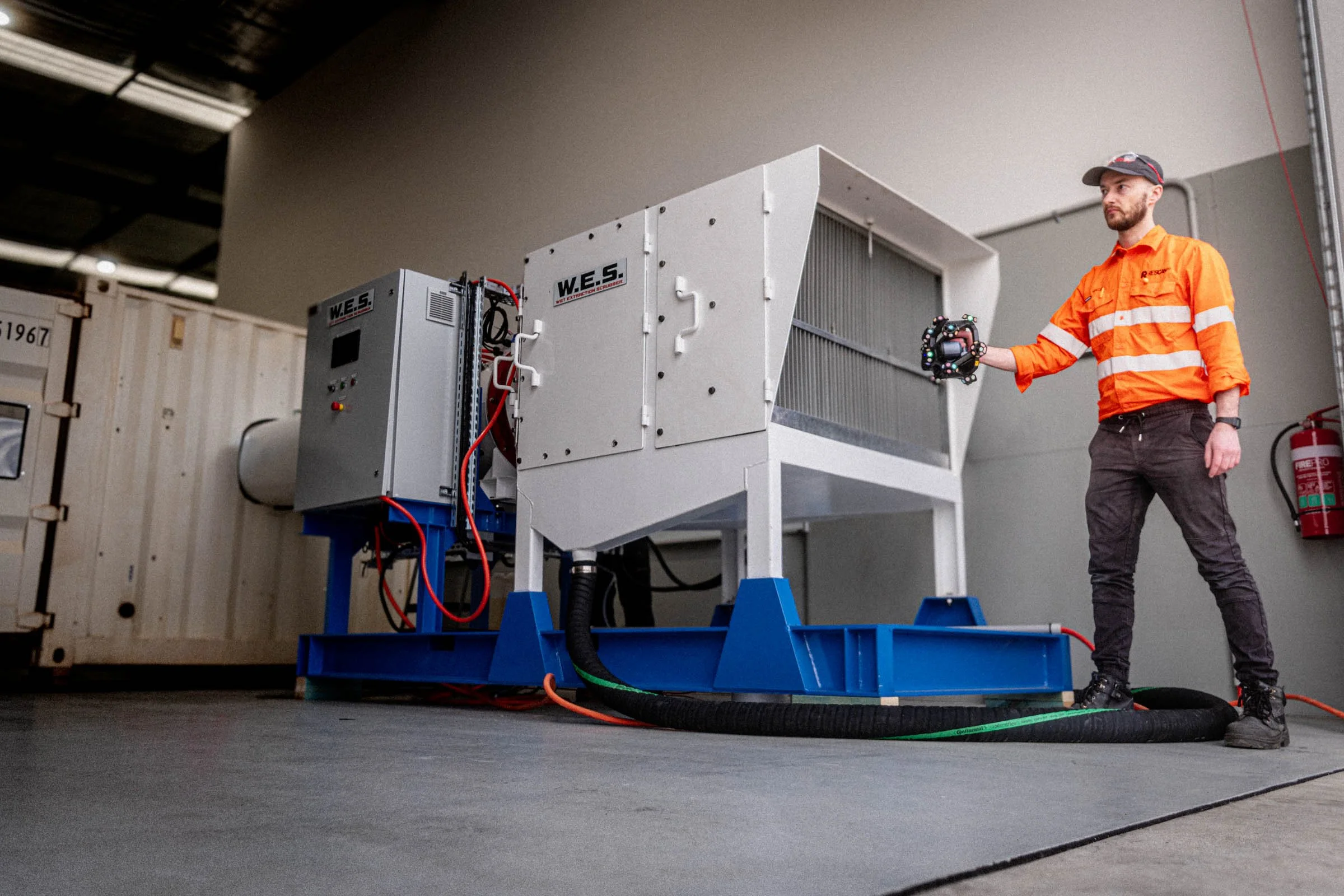
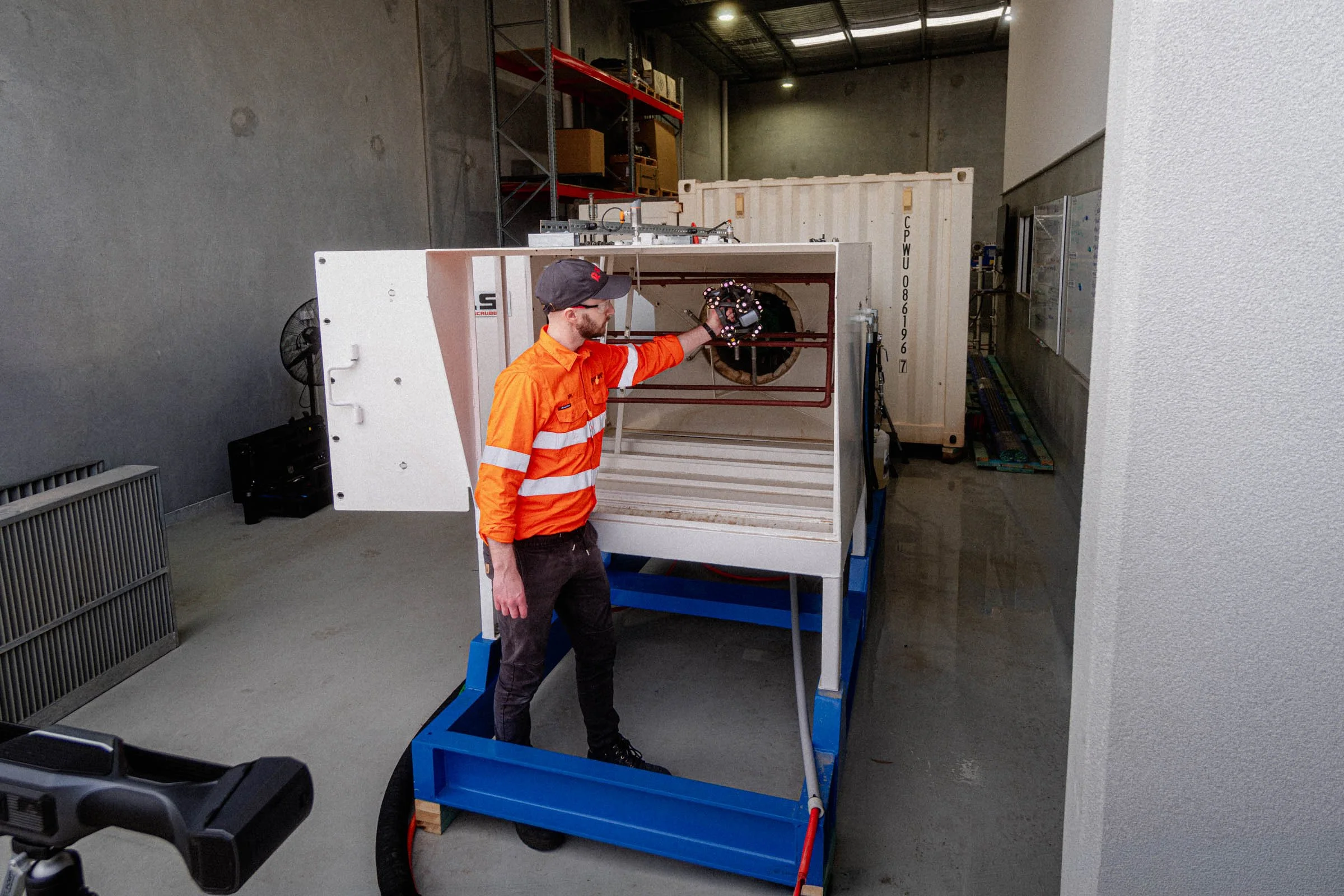
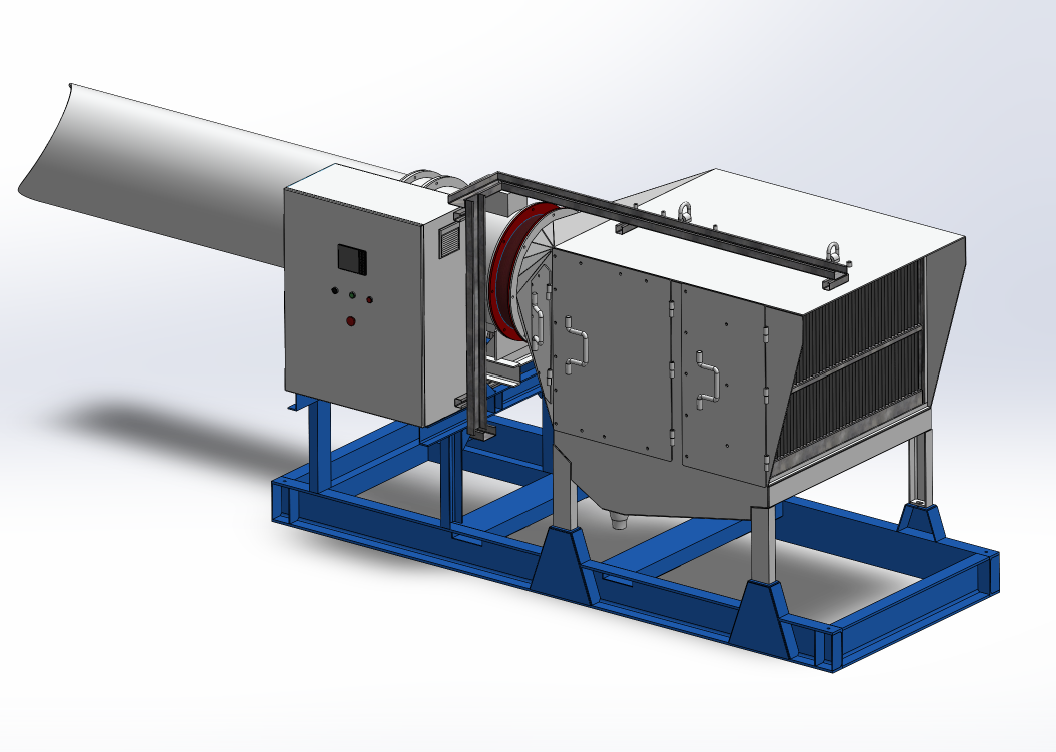
Rescan 3D had previously scanned the scrubber housing when it first arrived in Perth, in order to design the transport skid it’s now mounted to. When the client later needed to make further changes to the equipment, we returned to their workshop to scan the complete system inside and out, and produce an accurate 3D CAD model, manufacturing drawings and photorealistic renders.
Services: 3D Scanning · Reverse Engineering · Drafting · Concept Visualisation
Industry: Mining Services
Overall Size: Approx. 3.2 × 1.3 × 1.9 m, or approximately 6 m including connecting pipework
On-Site Scanning: Approx. 2 hours
CAD Modelling & Rendering: Approx. 6 hours
Manufacturing Drawings: Approx. 4 hours
Items Detailed: Approx. 45
The Challenge
Without drawings of the customised scrubber, communicating changes to the overseas manufacturer was difficult. The client needed an accurate record of the equipment as it had actually been built, providing a reliable starting point for future modifications and manufacturing.
3D Scanning & CAD Documentation
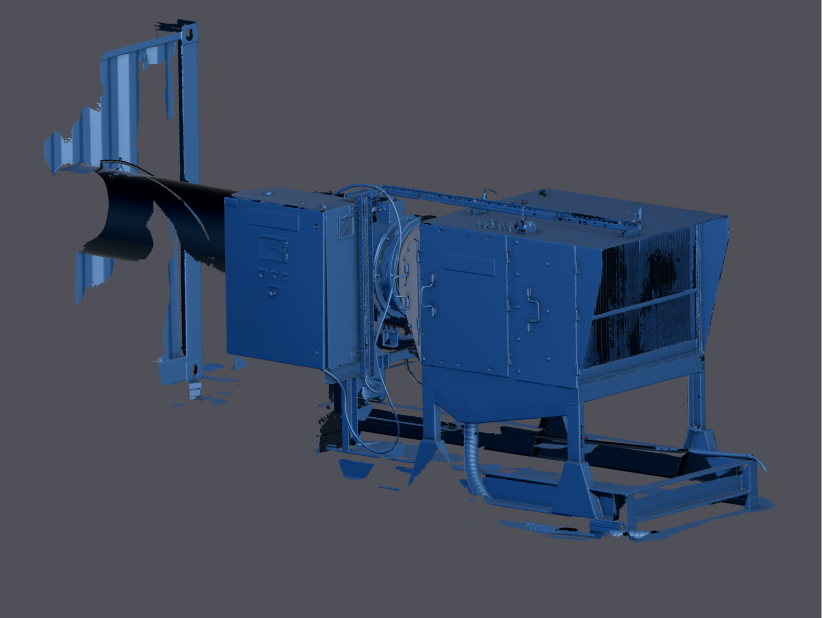
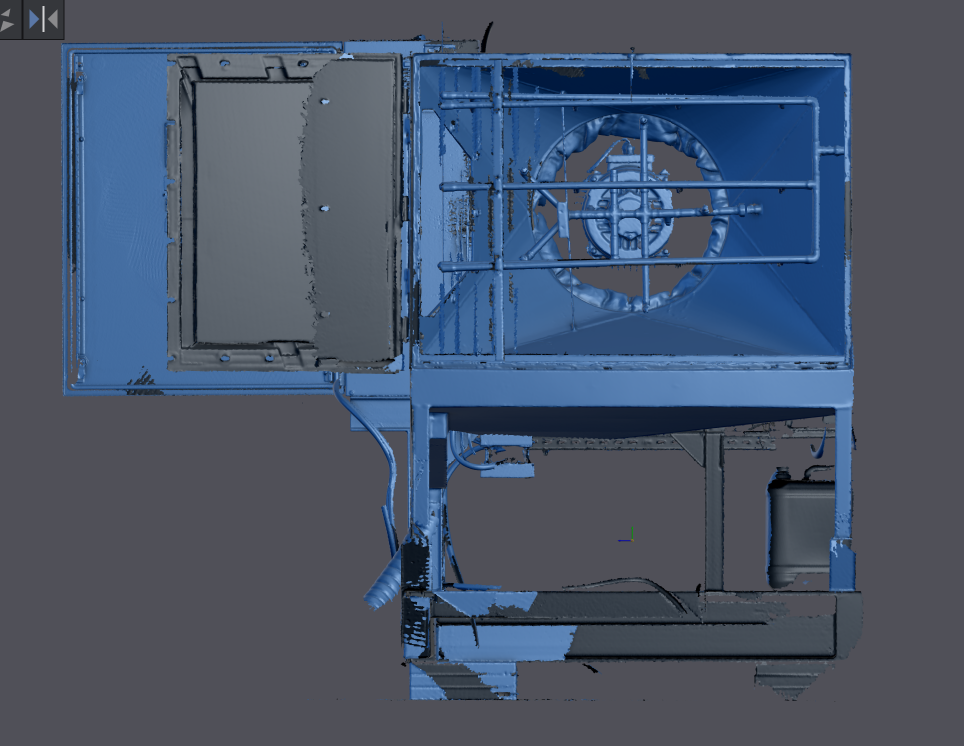
The scrubber was scanned inside and out at the client's workshop, capturing the main housing, internal components, support structure and associated pipework. Despite the complete system extending approximately six metres with the connecting pipework installed, on-site scanning took around two hours.
The scan data was then used as the reference for creating an accurate CAD representation of the as-built equipment. Individual components and assemblies were modelled to create a clean, usable digital representation of the existing system, ready for drawings, future design changes and renders.
Manufacturing Deliverables
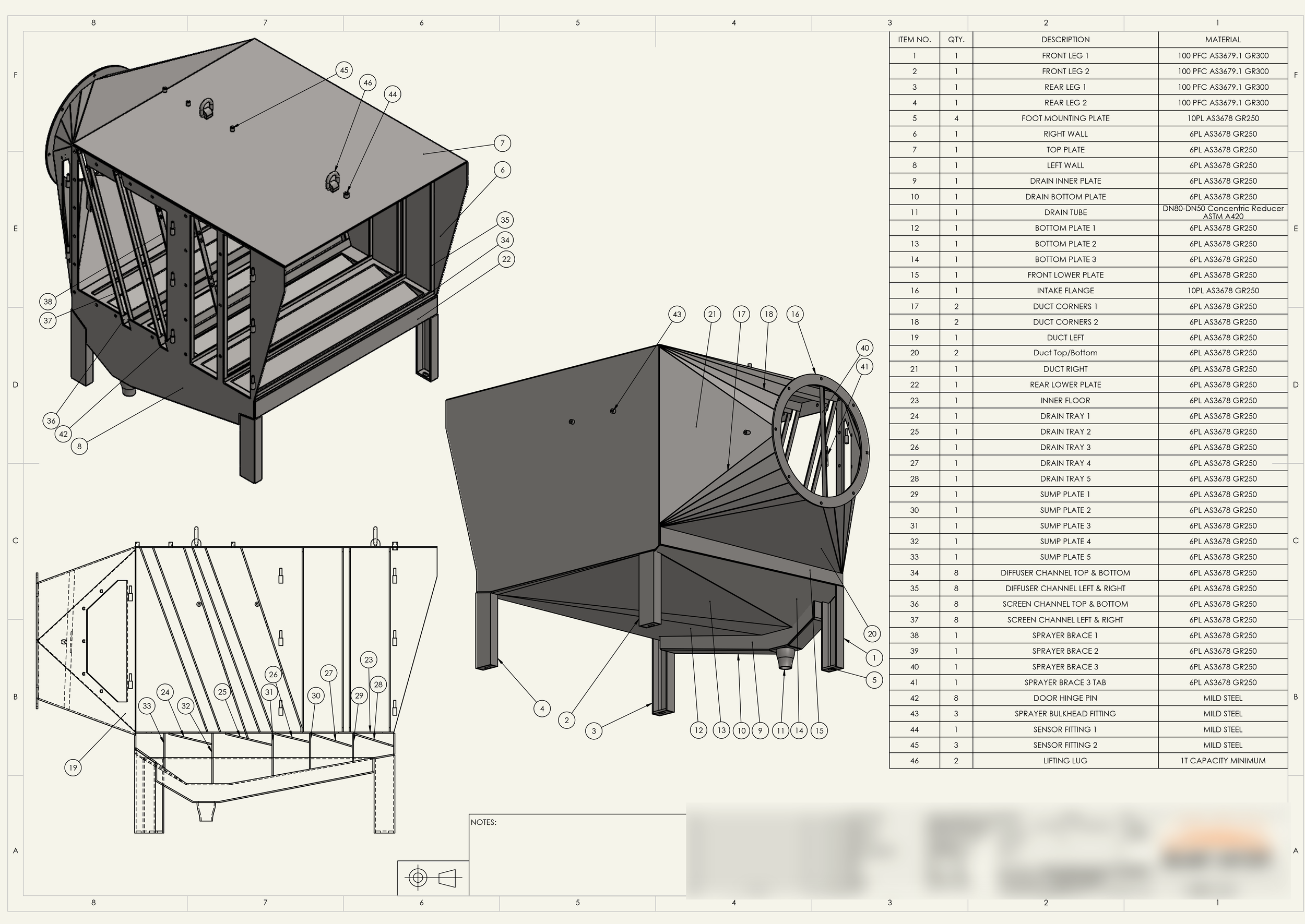
From the completed CAD model, we produced a manufacturing drawing package covering the overall assembly and approximately 45 individual items.
The drawings included a bill of materials, overall assembly dimensions, detailed dimensions for individual components, welding information and material specifications. This gave the client a complete set of documentation that could be supplied to their manufacturer and updated as the design evolved.
Visualisation
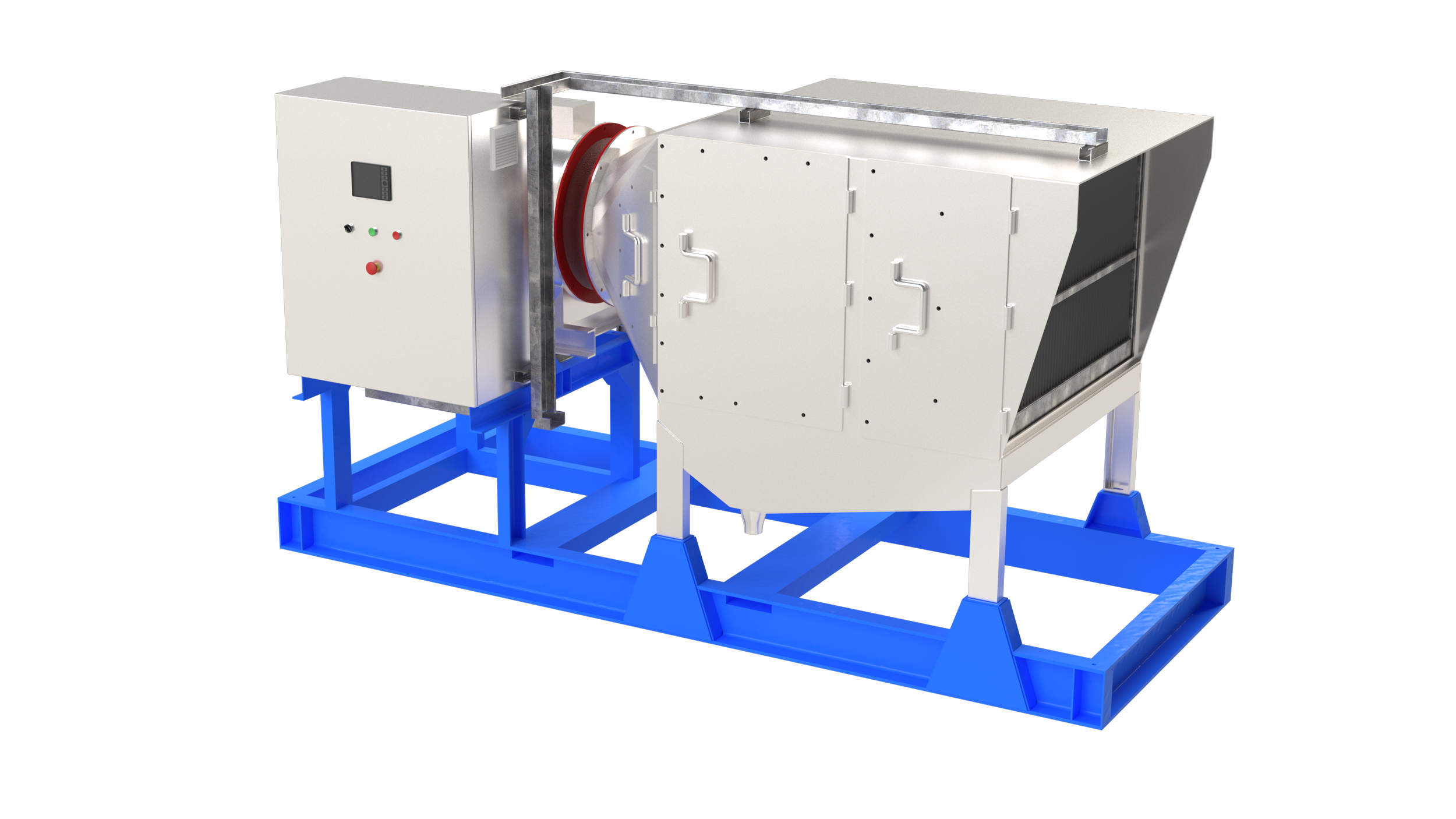
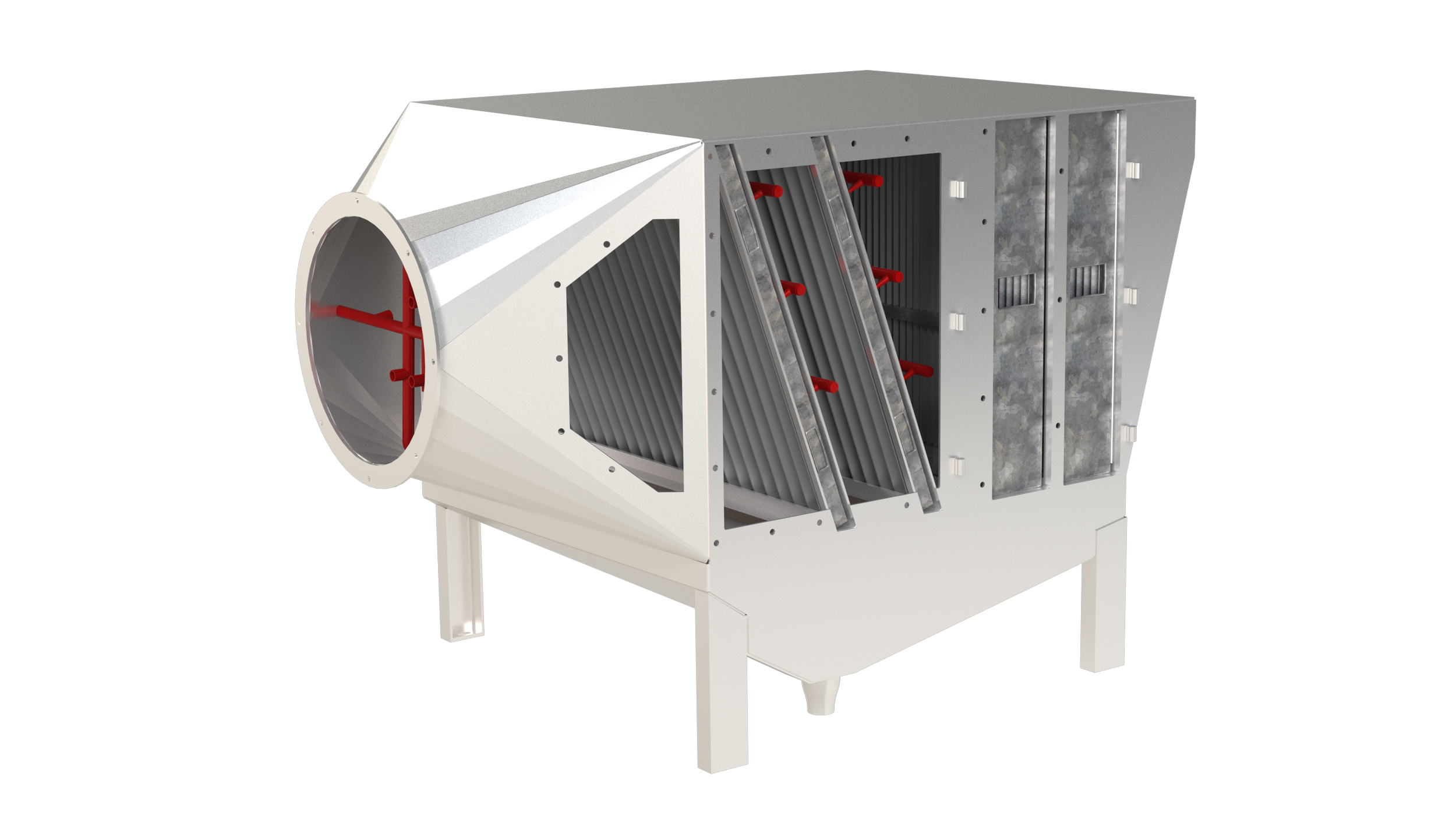
Photorealistic renders were also produced from the completed CAD model for use in the client's product brochures and marketing material.
This provided an additional benefit from the reverse engineering process: the same accurate model created for engineering and manufacturing could also be used to produce high-quality product imagery.
The Outcome
In approximately 12 hours of scanning, modelling and drafting, an undocumented customised machine was converted into a reusable digital engineering package comprising a STEP CAD model, PDF manufacturing drawings and photorealistic renders.
Rather than relying on photographs, sketches or measurements taken from the physical equipment each time a change is required, the client now has an accurate CAD model and drawing package from which future modifications can be developed.
The documentation provided a clear basis for communicating the next round of changes to the overseas manufacturer and can continue to support future modifications, replacement parts and product development.