
Mechanical & Fabrication Design Services
From concept development to detailed manufacturing documentation, we design practical, manufacturable solutions for industrial, mechanical, and fabricated products.
Machine Design
Precision components, assemblies, mechanisms, and equipment, designed for manufacture.
Fabrication & Sheet Metal
Weldments, frames, brackets, guards, platforms, and sheet metal assemblies.
Industrial Equipment
Custom tooling, equipment modifications, skids, lifting frames, and process equipment.
Production Documentation
Detailed drawings, BOMs, assembly documentation, and manufacturing packages.
Concept
→
Design
→
Review
→
Document
→
Deliver
✳︎
Concept → Design → Review → Document → Deliver ✳︎
What is Mechanical & Fabrication Design?
Mechanical and fabrication design is the process of developing practical solutions to mechanical, structural, and manufacturing challenges. This may involve designing new equipment, modifying existing assets, developing fabricated structures, designing machine components, or preparing detailed documentation for manufacture.
A successful design must do more than simply function. It must also be practical to manufacture, cost-effective to build, straightforward to assemble, and suitable for its intended operating environment.
At Rescan 3D, our design process combines CAD modelling, manufacturing knowledge, and years of real-world workshop experience to produce designs that work not only on the screen, but also in the workshop.
Why Use Professional Design Services?
Reduce Development Risk
Identify design issues before manufacturing begins.
Design changes become significantly more expensive once parts have been manufactured. A structured design process helps identify clearance issues, manufacturing challenges, and functional risks early, reducing costly rework later.
Improve Manufacturability
Design parts that are easier and more economical to build.
Manufacturing considerations such as machining access, weld sequencing, material selection, tolerancing, and assembly methods are incorporated throughout the design process to help reduce production costs and improve quality.
Faster Project Delivery
Clear documentation helps projects move smoothly.
Accurate CAD models and manufacturing documentation reduce workshop queries, minimise revisions, and help suppliers produce parts correctly the first time.
Better Communication
Ensure everyone is working from the same information.
Well-developed CAD models and drawings provide a common reference point for clients, fabricators, machinists, engineers, and suppliers throughout the project lifecycle.
Common Applications
From custom machine components to large fabricated assemblies, good design helps ensure projects are functional, manufacturable, and fit for purpose.
Custom Equipment
Design purpose-built equipment to suit specific operational requirements. Custom equipment can improve productivity, safety, or functionality where off-the-shelf solutions are unavailable or unsuitable.
Product Development
Transform concepts, sketches, and ideas into manufacturable products. We can assist with concept development, CAD modelling, design refinement, and production documentation.
Equipment Modifications
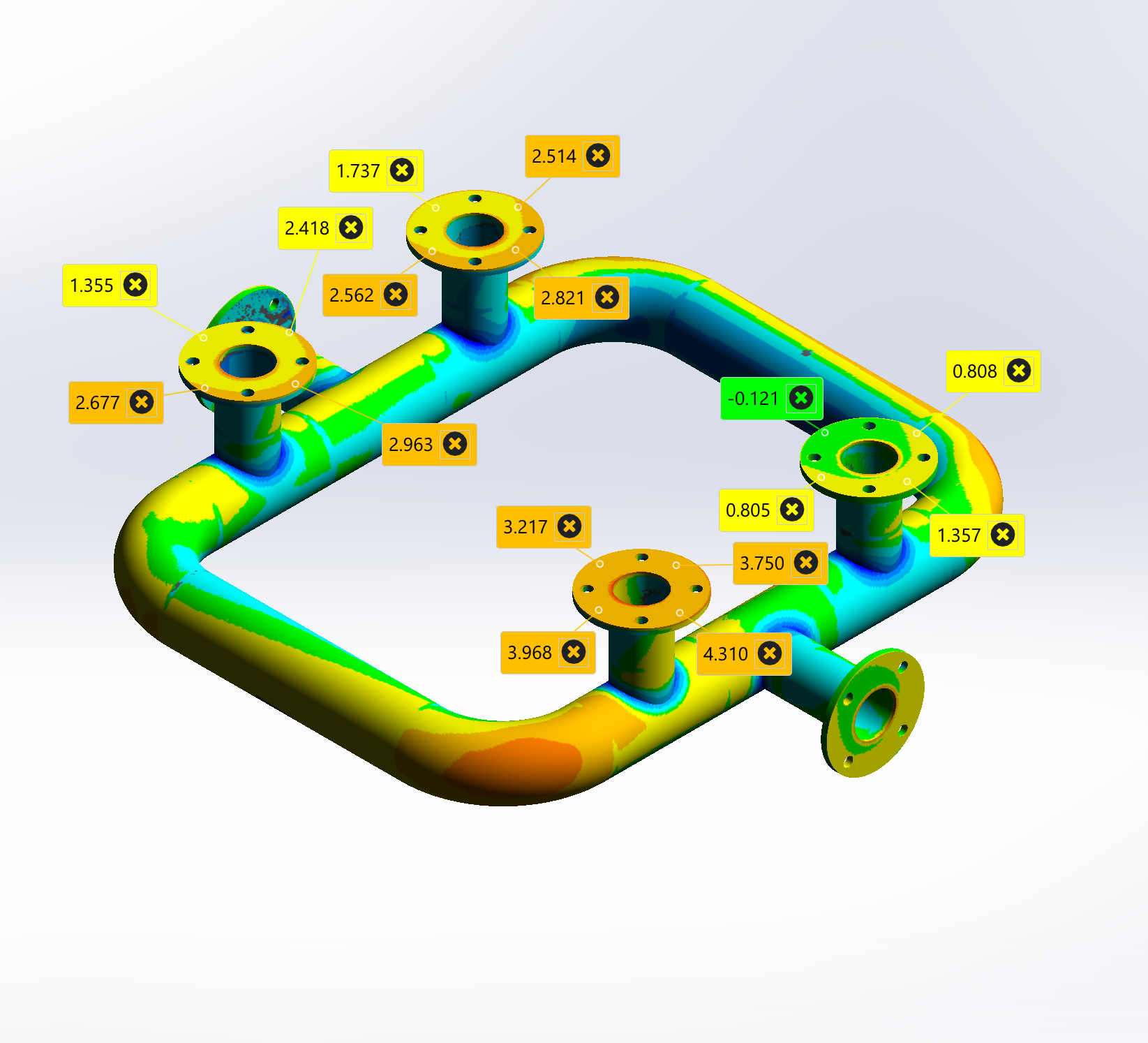
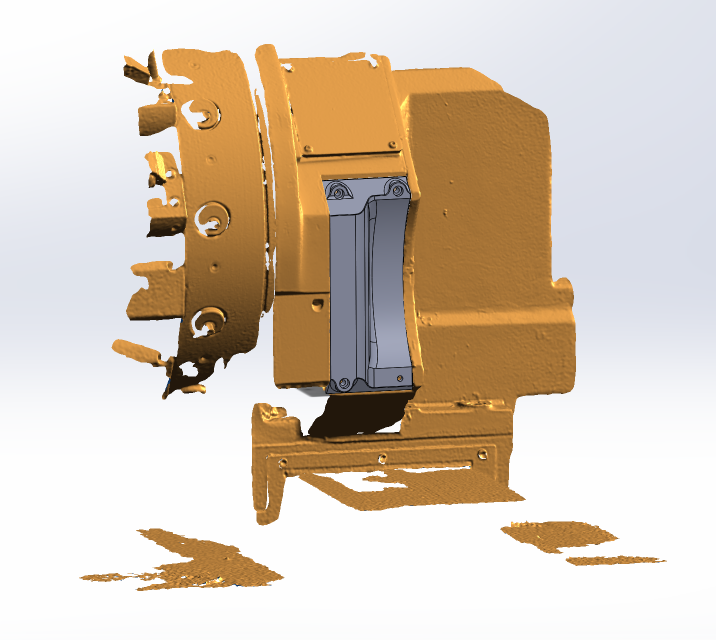
Modify existing equipment to improve performance, accommodate new requirements, or solve recurring operational issues. We use 3D scanning extensively to ensure new designs integrate correctly with existing equipment.
Tooling & Fixtures
Develop custom jigs, fixtures, and tooling to improve manufacturing processes. Purpose-built tooling can increase accuracy, improve repeatability, and reduce production time.
Fabricated Assemblies
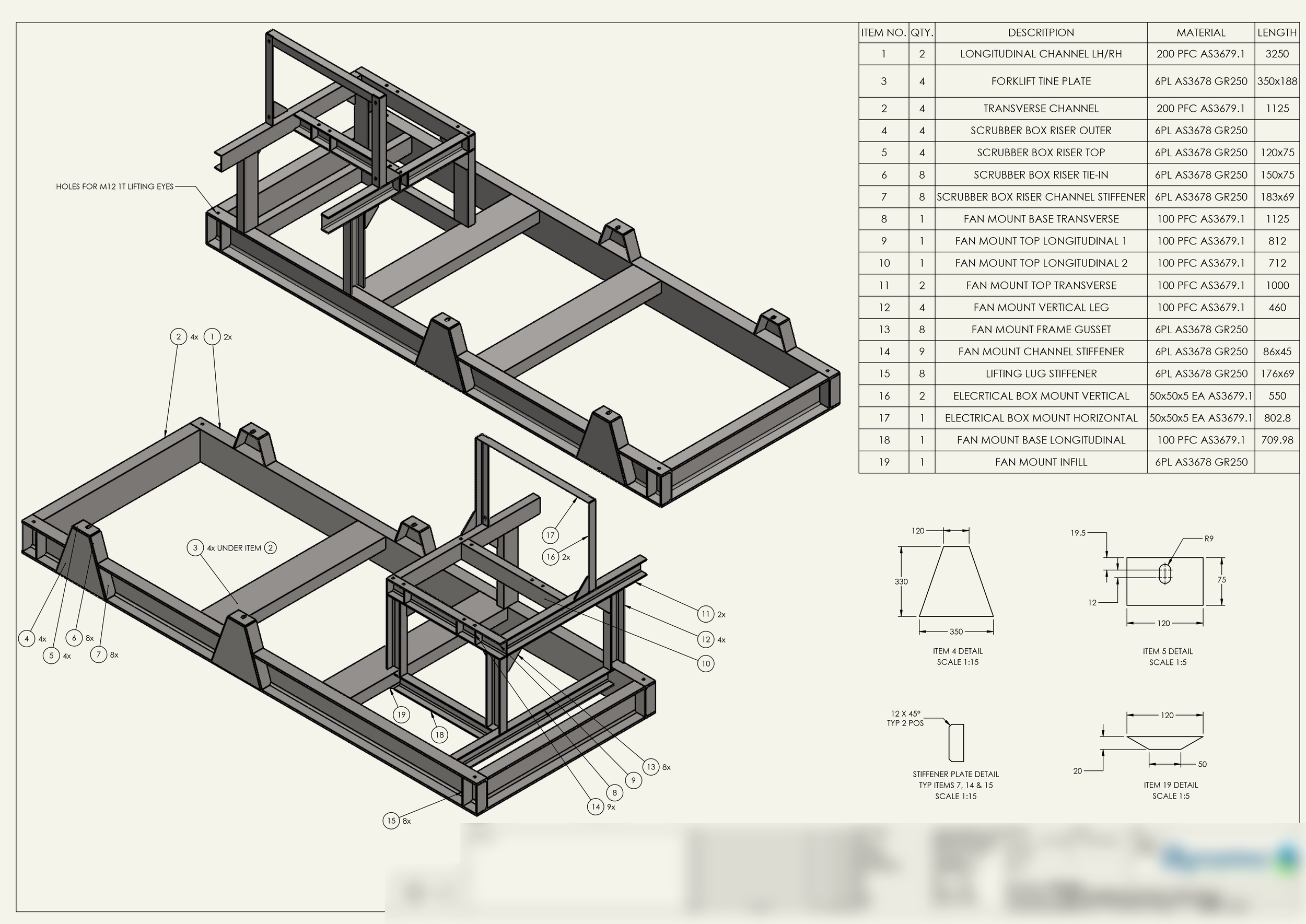
Design skids, frames, platforms, brackets, guards, and other welded structures. Our designs consider manufacturing methods, assembly requirements, and practical workshop constraints from the outset.
Machine Design
Design mechanical parts and assemblies for industrial and manufacturing applications. We pay particular attention to fits, tolerances, materials, and manufacturability to ensure reliable performance.
Mining & Resources
✳︎
Fabrication & Manufacturing
✳︎
Automotive & Motorsport
✳︎
Agriculture
✳︎
Transport
✳︎
Marine
✳︎
Mining & Resources ✳︎ Fabrication & Manufacturing ✳︎ Automotive & Motorsport ✳︎ Agriculture ✳︎ Transport ✳︎ Marine ✳︎
Featured Projects
Our Design Process
Using CAD modelling, manufacturing knowledge, and where required, 3D scanning of existing equipment, concepts are developed into practical solutions suitable for manufacture and installation.
Step 1 - Concept
Every design project begins by understanding the problem being solved. We work with clients to establish project requirements, constraints, deliverables, timeline, and budget before any design work begins.
Step 2 - Design
Once the design is finalised, detailed manufacturing documentation is prepared. This may include drawings, bills of materials, assembly information, DXF files, and other production deliverables.
Step 3 - Review
Designs are reviewed against project requirements and refined through discussions with clients, suppliers, and engineering consultants where required.
Step 4 - Document
Final project files are issued in the required formats and may include CAD models, STEP files, manufacturing drawings, renders, BOMs, and supporting documentation.
Step 5 - Deliver

Why Rescan 3D?
Practical Designs for Real-World Manufacturing
Good design isn't just about making something work — it's about making it practical to manufacture, assemble, inspect, and maintain.
Having spent years working within machining and fabrication businesses, we've seen firsthand how designs are interpreted, manufactured, assembled, and modified in the real world. This experience helps us develop solutions that are not only functional, but also practical, cost-effective, and fit for purpose.
By considering the entire workflow from concept through to manufacture, we aim to reduce rework, improve communication, and deliver better project outcomes.
Design Deliverables
-
We create detailed 3D CAD models throughout the design process to develop and refine concepts. Unless otherwise agreed, final model deliverables are typically provided as STEP files, which are widely supported by most CAD, CAM, and manufacturing software packages.
Where native SolidWorks files are specifically required, these can often be supplied by agreement as part of the project scope.
-
Manufacturing drawings communicate everything required to produce a part or assembly. Depending on the project, drawings may include dimensions, tolerances, GD&T requirements, welding information, material specifications, surface finish requirements, coatings, notes, and revision control information.
Drawings are typically supplied in PDF format.
-
Bills of Materials provide a structured list of components required for manufacture or assembly. Depending on the project, BOMs may include purchased items such as fasteners, bearings, seals, and standard components, as well as custom-manufactured parts.
-
Assembly documentation helps communicate how parts fit together and may include assembly drawings, exploded views, item call-outs, and installation information. This information can be particularly valuable for larger fabricated structures or mechanical assemblies.
-
Depending on the project, additional manufacturing-ready files can be provided, including DXF profiles for laser/plasma cutting, sheet metal flat patterns, STL files for additive manufacturing, and other production-specific formats.
-
Where required, we can produce rendered images and visualisations to assist with design reviews, stakeholder presentations, approvals, and marketing material. Visualisations can often help communicate a concept more effectively than technical drawings alone.
Frequently Asked Questions - Mechanical and Fabrication Design
Still have questions? Reach out anytime.
-
Mechanical and fabrication design is the process of turning an idea, requirement, or problem into something that can actually be manufactured and used. This may involve designing machined components, fabricated structures, mechanical assemblies, custom tooling, or complete systems.
At Rescan 3D, our design process is heavily focused on real-world manufacturing considerations, ensuring designs are practical, cost-effective, and straightforward to build.
-
We have design experience across a very wide range of applications and manufacturing methods. Some of our recent projects include:
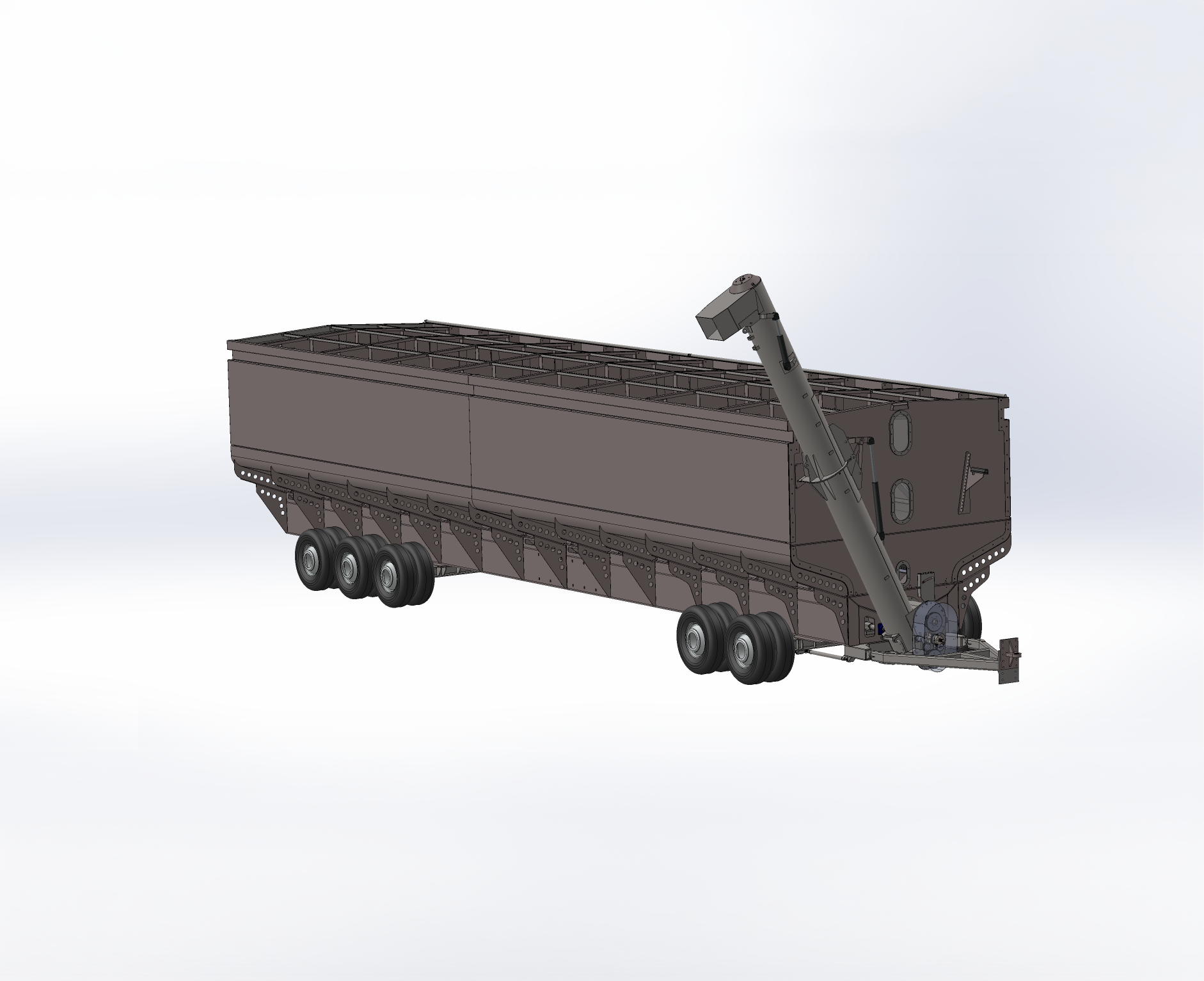
a large-capacity mobile grain storage trailer design;
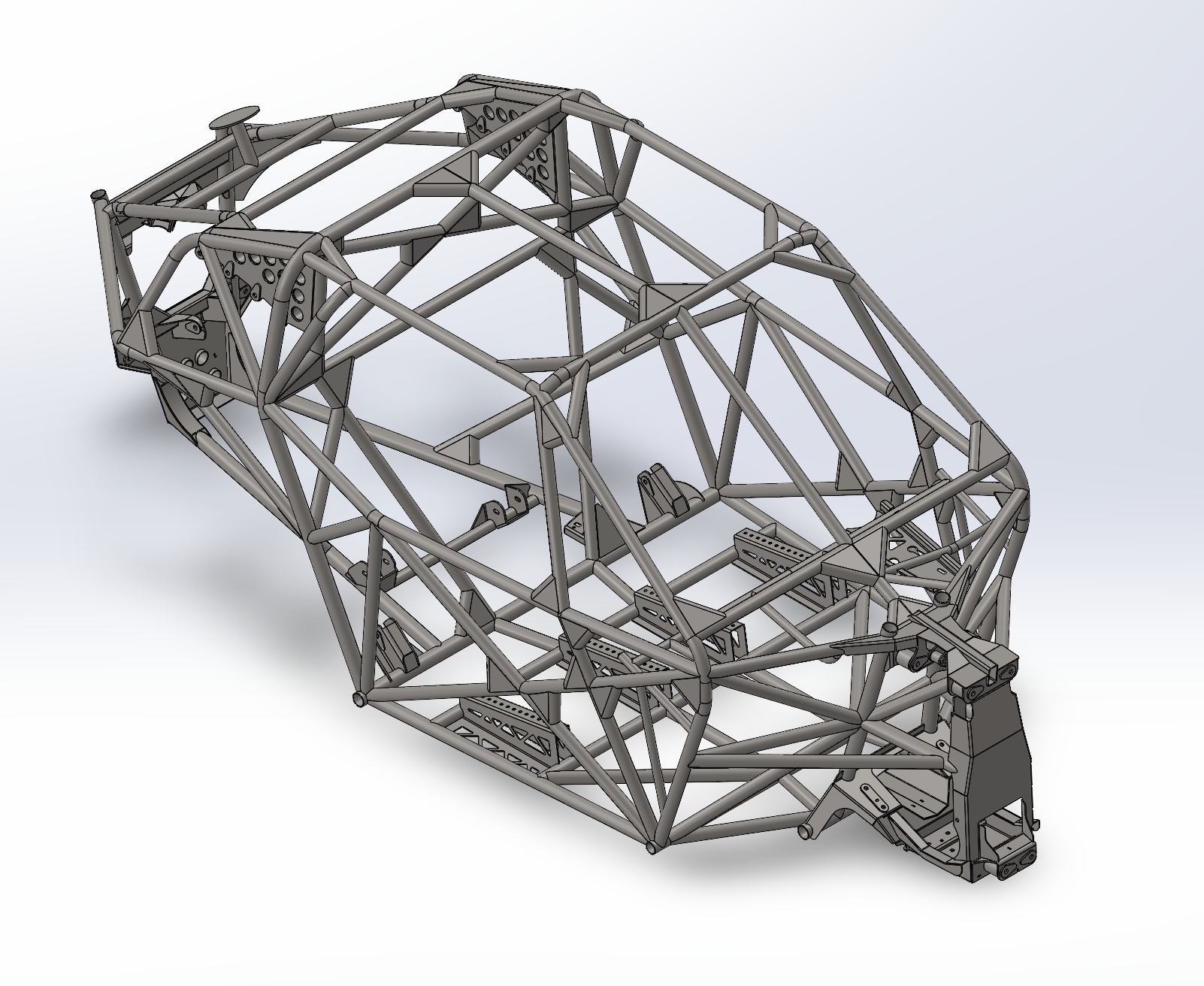
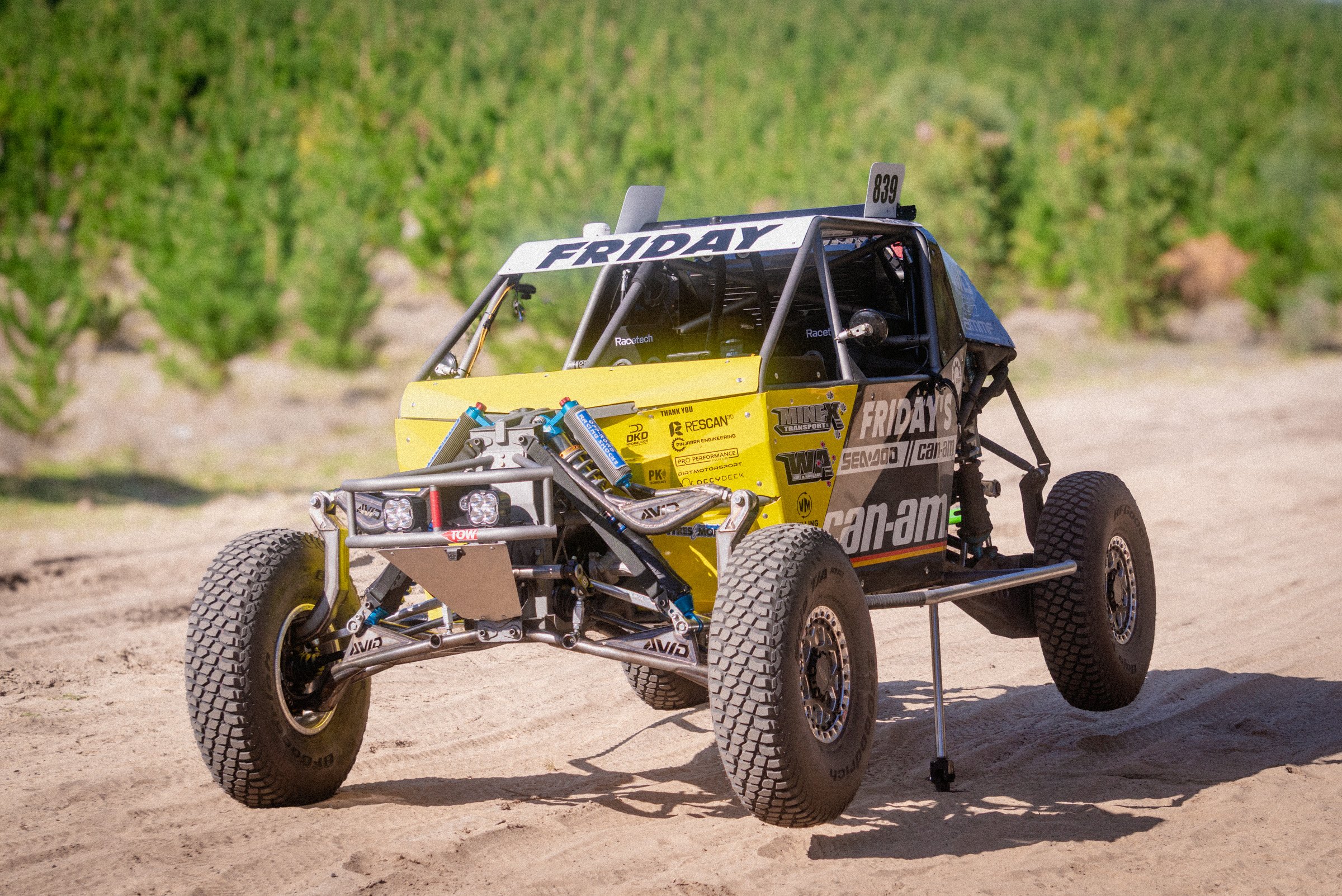
the chassis, bodywork and fuel tank for custom racing buggy to Motorsport Australia regulations;
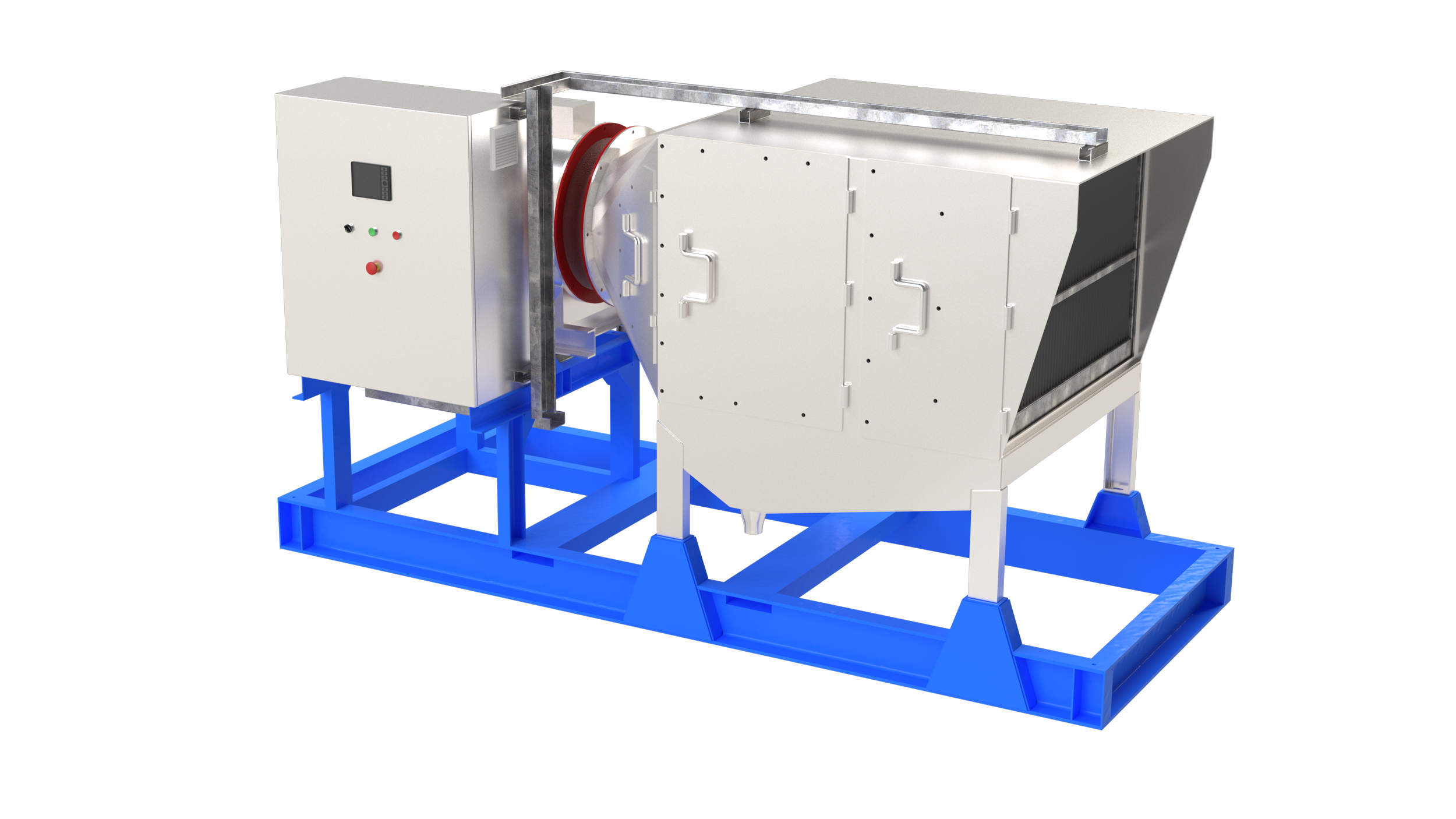
numerous industrial skids and lifting frames;
a bespoke CNC plasma cutting machine design;
boat canopies and other components;
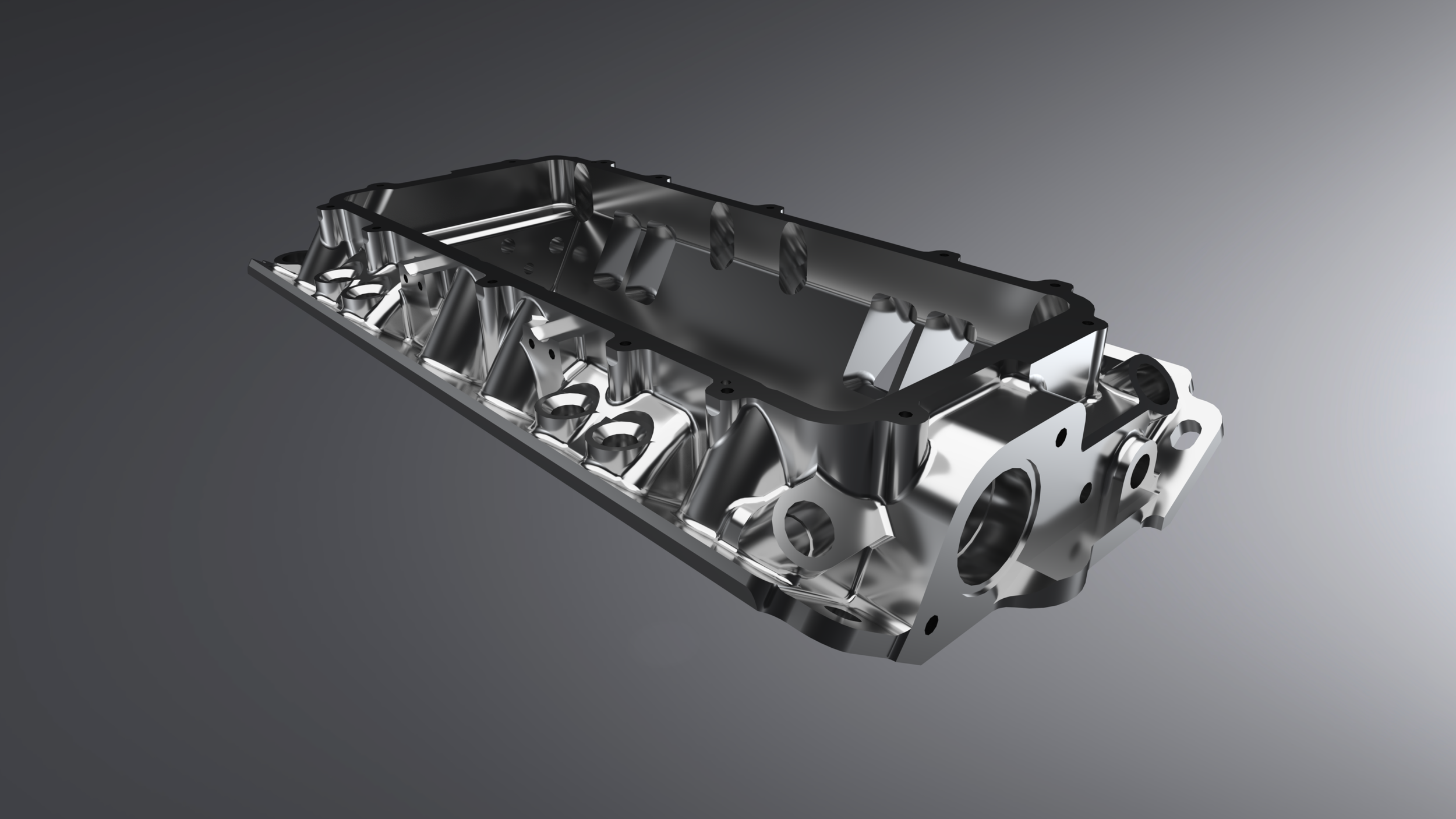
engine components such as intake manifolds and accessory mounts/pulleys,
motor/gearbox adaptor parts for engine conversions;
custom tooling for sheet metal manufacturing;
a bespoke pipe-drilling tool;
and a wide range of other industrial, automotive, marine, and manufacturing projects.
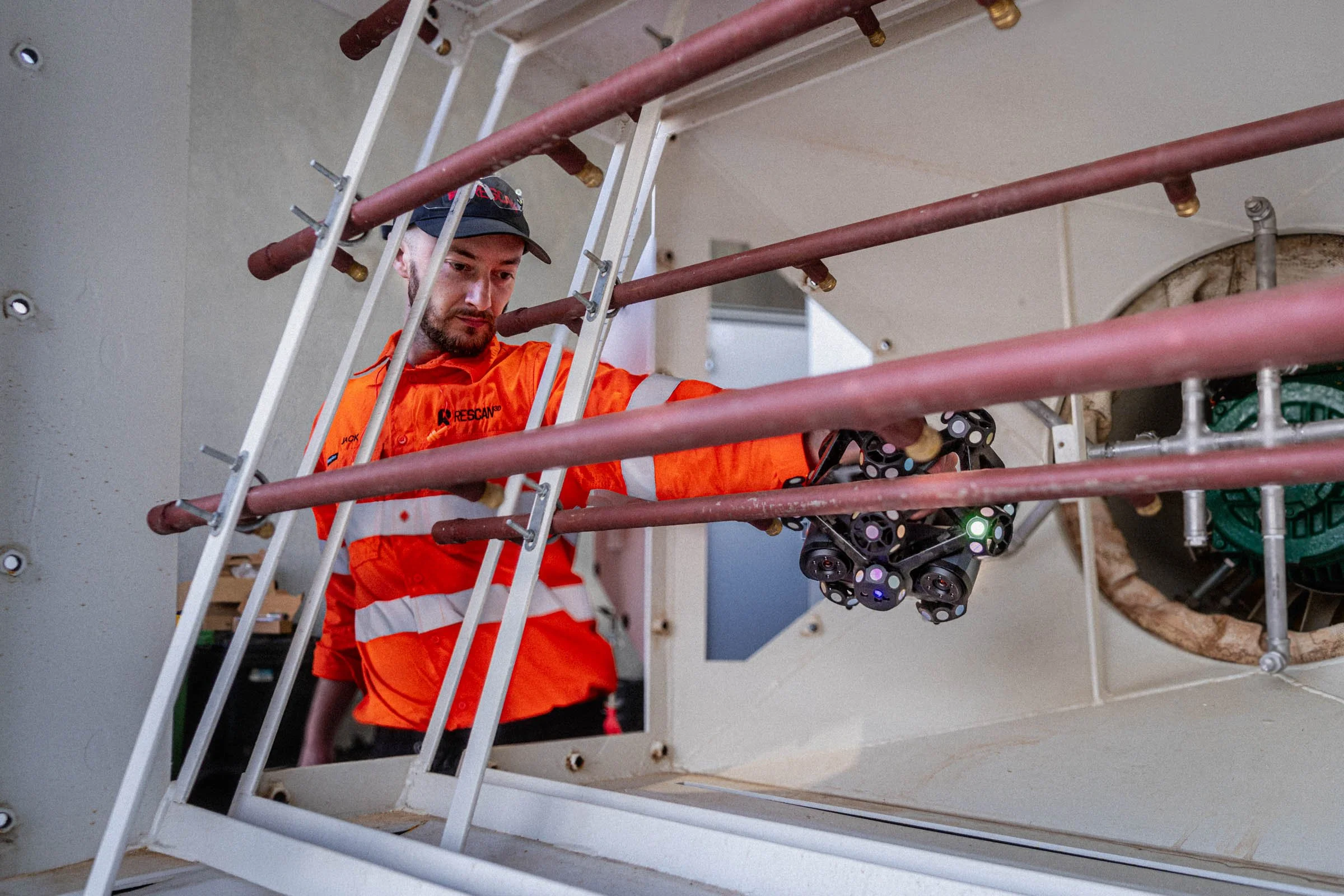
Our design workflow is heavily focused on designing around existing equipment and structures - we use 3D scanning extensively to ensure fitment with existing conditions.
-
Design is the process of solving a problem in 3D; drafting is the process of communicating the solution. To read more about drafting, see our Drafting page [here].
-
We certainly can. When approached with a clean-slate design request, the first step is to clearly establish the intended function of the part or assembly, as well as performance requirements and success criteria, the required deliverables, timeline, and budget.
Our process for bespoke designs is typically as below:
Scope definition
Concept design
Client review
Detailed design
Engineering review (if required)
Drafting and deliverables
Intellectual property arrangements vary depending on the project. In most cases, clients receive all files and a broad licence to use the design for its intended purpose. Full IP transfer can also be arranged where required.
-
Usually, yes. Existing equipment can often be scanned, modelled, and modified to improve performance, reduce manufacturing costs, accommodate new requirements, or solve recurring issues. For more information, see our page on Reverse Engineering [here].
-
Absolutely - that’s one of our main workflows. We use high-accuracy 3D scanning to capture existing equipment or structures - the benefit of this is that we can very clearly see the site conditions, much more accurately and completely than with photos and a tape measure. We can easily match existing mounting locations, and ensure adequate clearance to existing structures.
-
Often, yes. Even if you don't know exactly what you need, you'll usually know what you're trying to achieve. We can help define the project requirements, explore possible solutions, and develop a design that solves the underlying problem.
-
Certainly can - a sketch is often a great starting point for a design project. We're also able to combine features from multiple existing designs if your project is more of an "I want this, but different" scenario.
-
Always - that’s one of the main features of our design process. Our extensive experience in manufacturing means we know all the design tricks that result in higher quality parts, and make parts faster and cheaper to make. We can tailor designs to suit specific manufacturing processes, equipment, or supplier capabilities. We also have a very wide network of manufacturing contacts, so we can help source manufacturers too. Our Drafting page [here] also has lots more information about what goes into our fully detailed manufacturing drawings.
-
Yes we can. We’ve been working with fabrication companies for nearly a decade, so we’re very familiar with how to design for fabrication and welding processes. Technical considerations like sheet metal K-Factor, bend allowances, weld shrinkage, and assembly sequence are just some of the ways we help ensure fabricated parts are practical to manufacture and assemble.
-
Definitely - we’re highly experienced in designing for machining. We have extensive knowledge of machining processes, machine capabilities, tooling, and workholding methods, which we use to design high-quality machined components. Designing parts that can be machined is only half the job though, and we provide full drafting services to properly communicate the technical details of our machined designs. See the Drafting page [here] for more information on what goes into our machining drawings.
-
Yep, our 3D scanning process makes designing frames to suit specific equipment fast and easy. We've designed numerous lifting frames and structures that have subsequently been certified to AS4991 by independent engineers. Where certification is required, we can coordinate the engineering review and certification process through our engineering partners.
-
We certainly can - as with lifting frames, our design process for skids and transport frames relies heavily on 3D scanning to ensure proper fitment of the equipment. We have experience designing structures in accordance with AS1657 requirements for platforms, walkways, stairways, and ladders, and work closely with structural engineers where certification or engineering review is required.
-
We do not conduct engineering assessments or certifications ourselves. Where engineering calculations, FEA, or certification are required, we work closely with third-party engineering consultants to provide those services.
-
We certainly can - we have wide-ranging experience in mechanical design, particularly machine component design. We take special care to analyse limits & fits, assembly tolerance stacks, surface finish requirements, and material interactions. We have access to specs and 3D models for a wide range of bearings, seals, gears/racks, fasteners, lead screws, and all sorts of other power transmission and mechatronic components.
-
Depending on the project, deliverables may include concept renders, CAD models, manufacturing drawings, STEP files, DXF cutting files, bills of materials, assembly information, and engineering reports from third-party consultants where required.
-
As much information as you have. This might be a sketch, photos of existing equipment, sample parts, reference drawings, or simply an idea of what you're trying to achieve.
If the project scope isn't fully defined, we can help develop it with you before design work begins.
-
Design projects can range from a few hours for simple modifications to several months for complex assemblies or new product development. Most projects are completed within one to four weeks. We'll provide an estimated timeframe during quoting and keep you informed throughout the project.
-
Usually, yes. We work primarily in SolidWorks and can import most common CAD formats including STEP, IGES, Parasolid. The amount of editing possible depends on the quality and format of the source files.
Get In Touch
If you're interested in working with us, complete the form with a few details about your project. We'll review your message and get back to you within 48 hours.
Not sure which service you need? Send us a photo and tell us what you’re trying to achieve, and we’ll recommend the most appropriate solution. Feel free to call if that’s easier!