
Design & Development of an Off-Road Racing Buggy
Project Overview
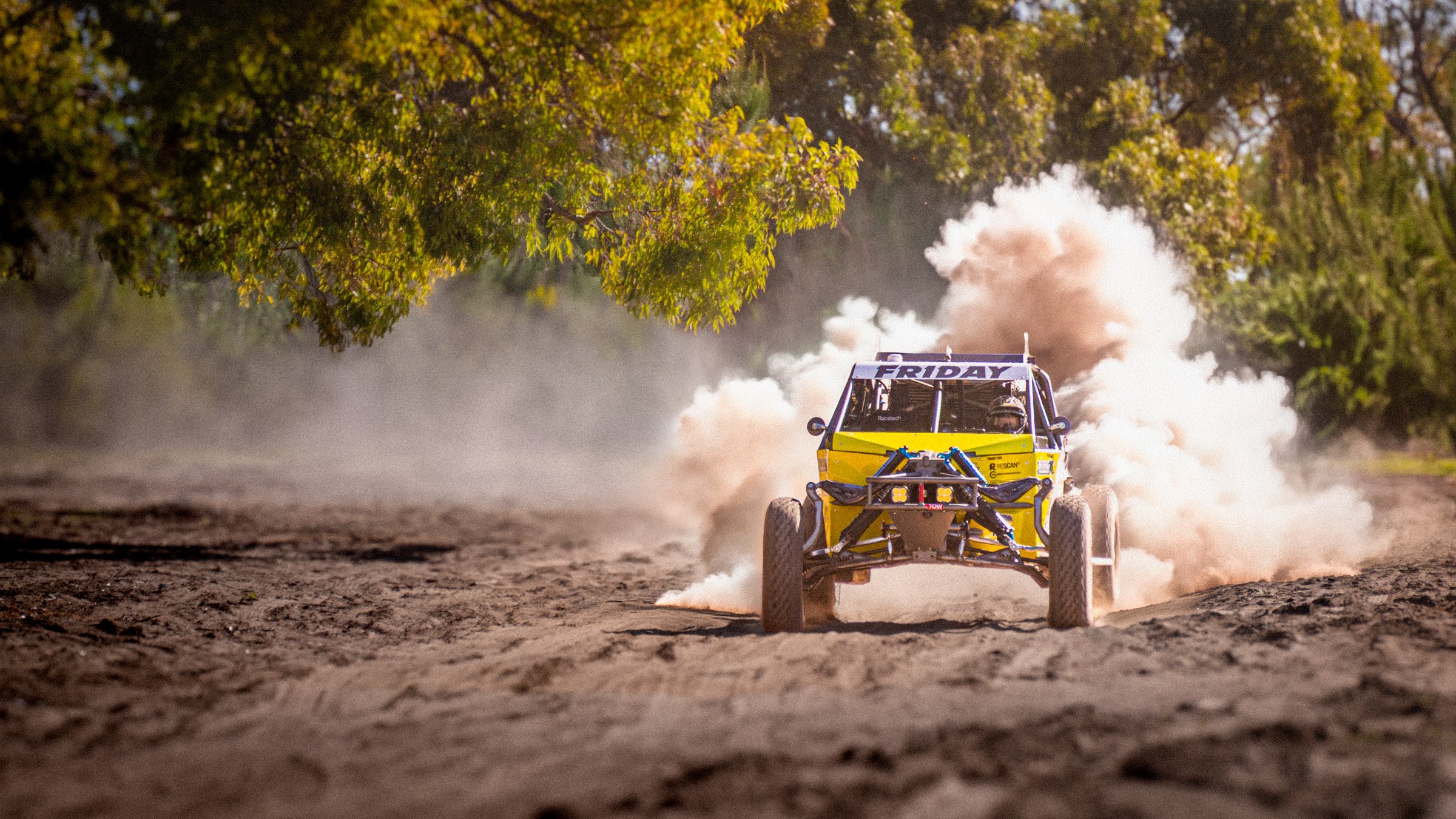
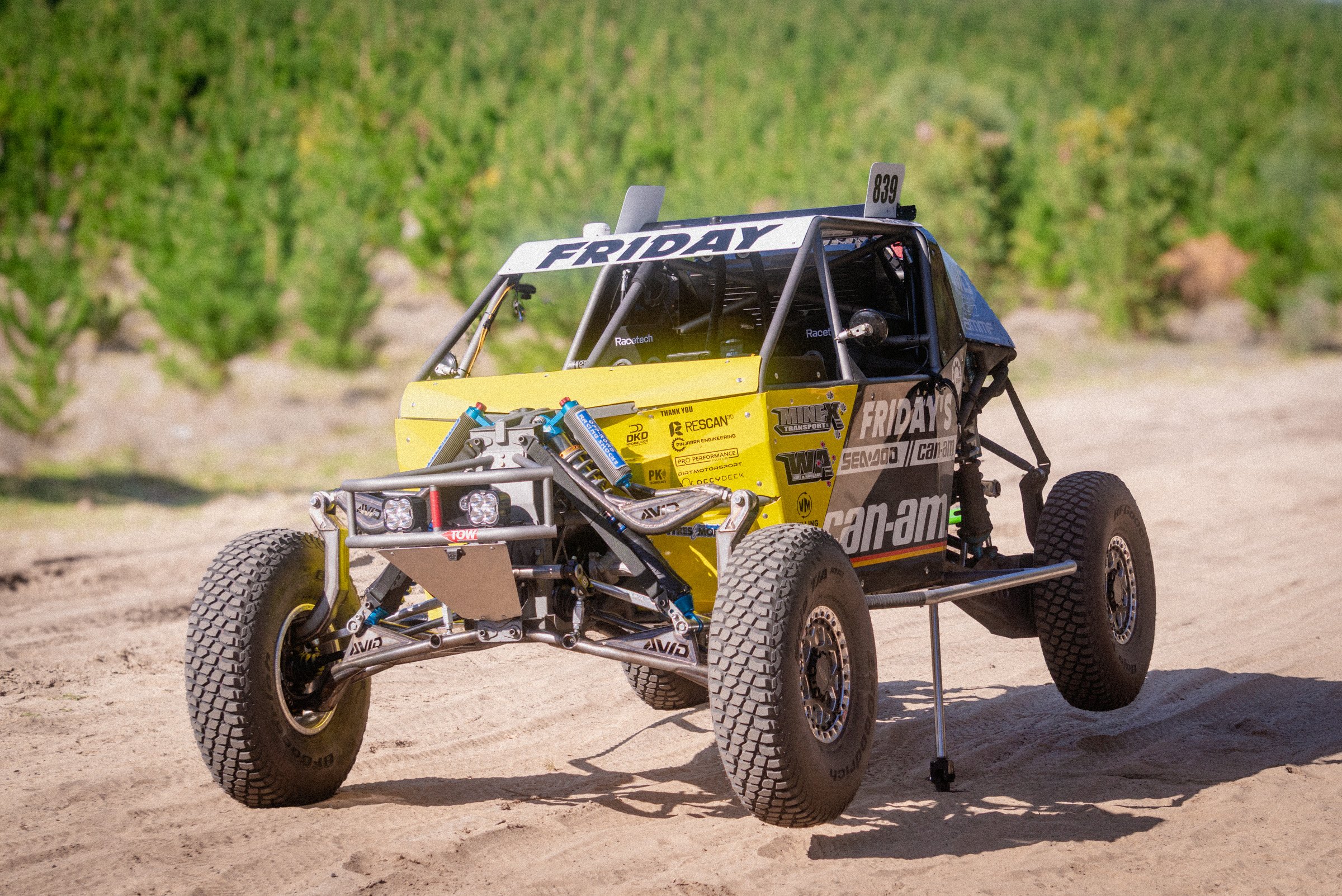
Rescan 3D was engaged to help develop a purpose-built off-road racing buggy for the Motorsport Australia Class 8 – Extreme 4WD category.
The client, a Can-Am dealership owner and experienced off-road racer, had previously competed in a production-based Can-Am before the vehicle was lost to a fire. For the new build, the goal was to develop a dedicated tube-chassis race vehicle using proven Can-Am suspension, engine and drivetrain components.
Rescan 3D partially sponsored the project, contributing approximately 200 hours of design and manufacturing support, from initial vehicle layout and chassis design through to fabrication verification and final bodywork.
Services: 3D Scanning · Mechanical Design · Fabrication Design · Drafting · Manufacturing Support
Industry: Automotive & Motorsport
Vehicle Class: Motorsport Australia Class 8 – Extreme 4WD
Overall Size: Approx. 3.4 m × 1.6 m × 1.3 m
Design & Manufacturing Support: Approx. 200 hours
Race Debut: 2026 Finke Desert Race – 55th Overall, 5th in Class
The Challenge
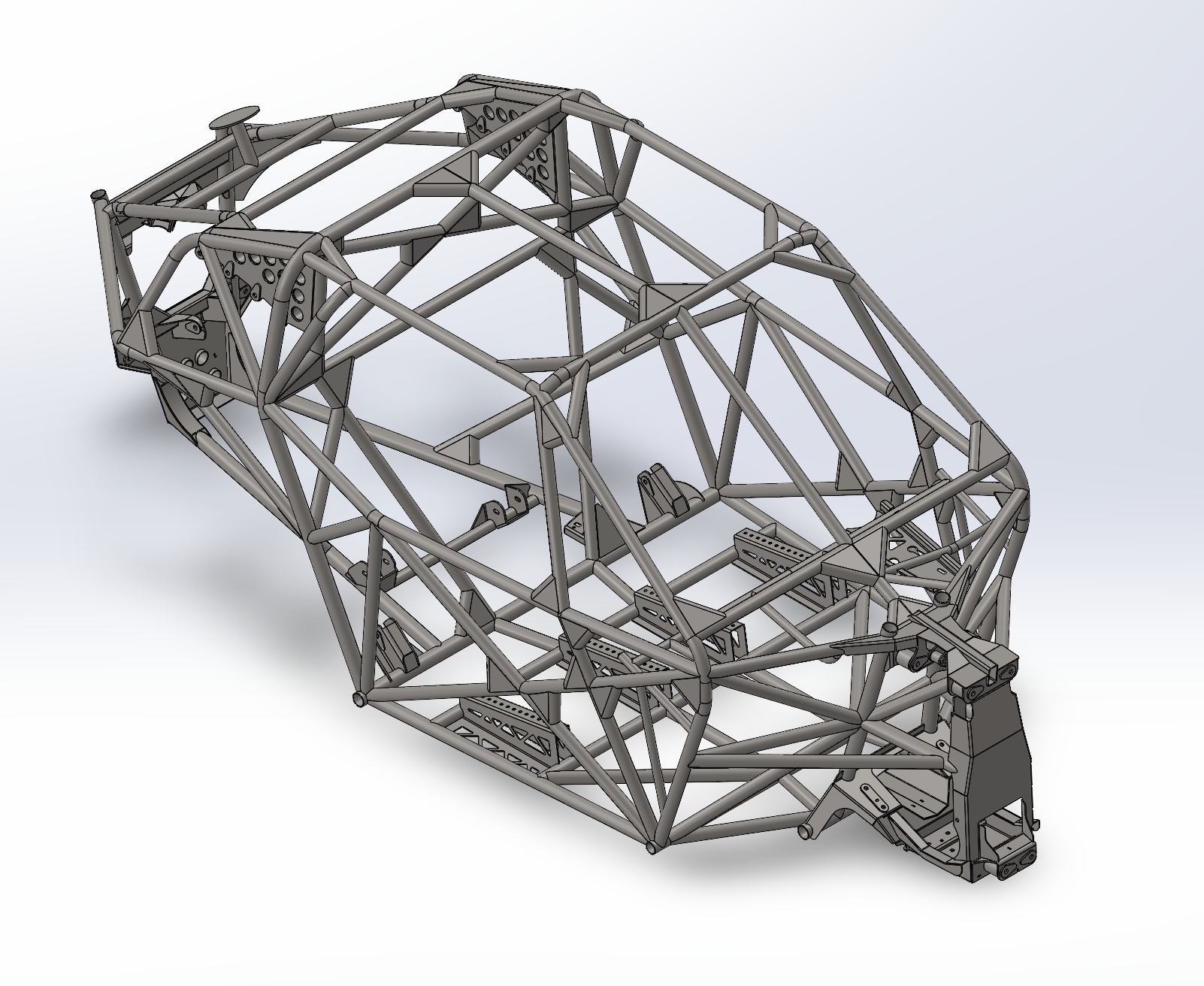
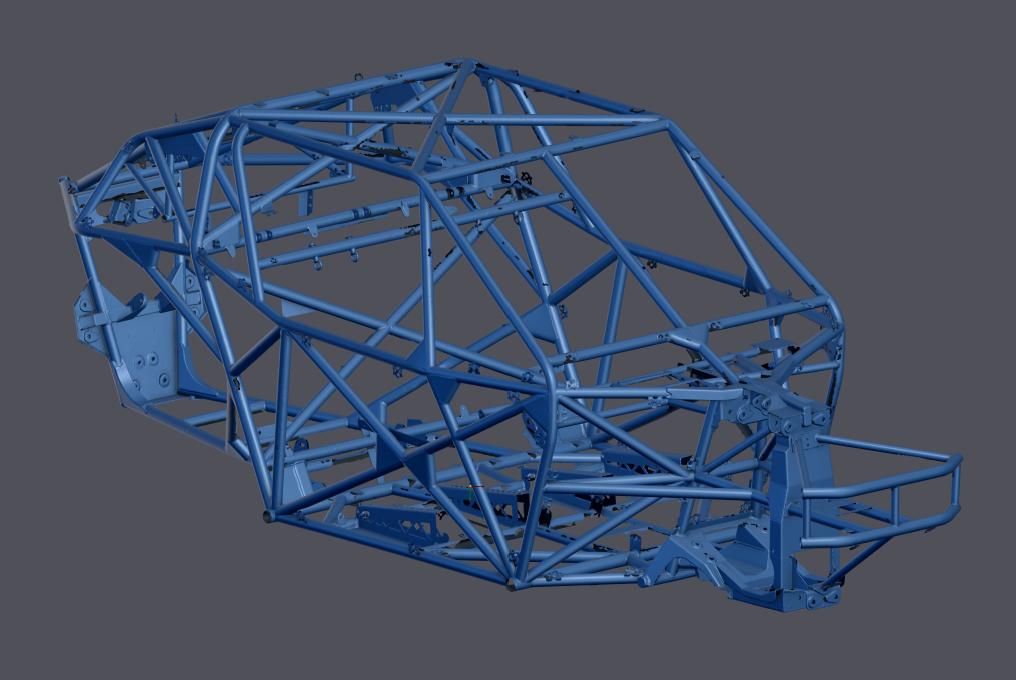
Rather than modifying another production chassis, the new vehicle would be built around a purpose-designed tube frame to comply with Motorsport Australia regulations, while retaining the Can-Am suspension and drivetrain.
A 3D scan of the client's previous chassis, captured by another scanning provider, was used to establish suspension mounting points, drivetrain locations and other important dimensions. These provided the starting points around which the new vehicle could be designed.
Driver ergonomics and component packaging were also major considerations. The new chassis ultimately grew in length, width and height to improve the driving position, packaging layout and centre of mass while meeting the requirements of the intended racing category.
Chassis & Ergonomic Design
The tube chassis was developed with reference to Motorsport Australia Schedule J requirements for safety cages and the Off Road Appendix – Technical Regulations applicable to the vehicle.
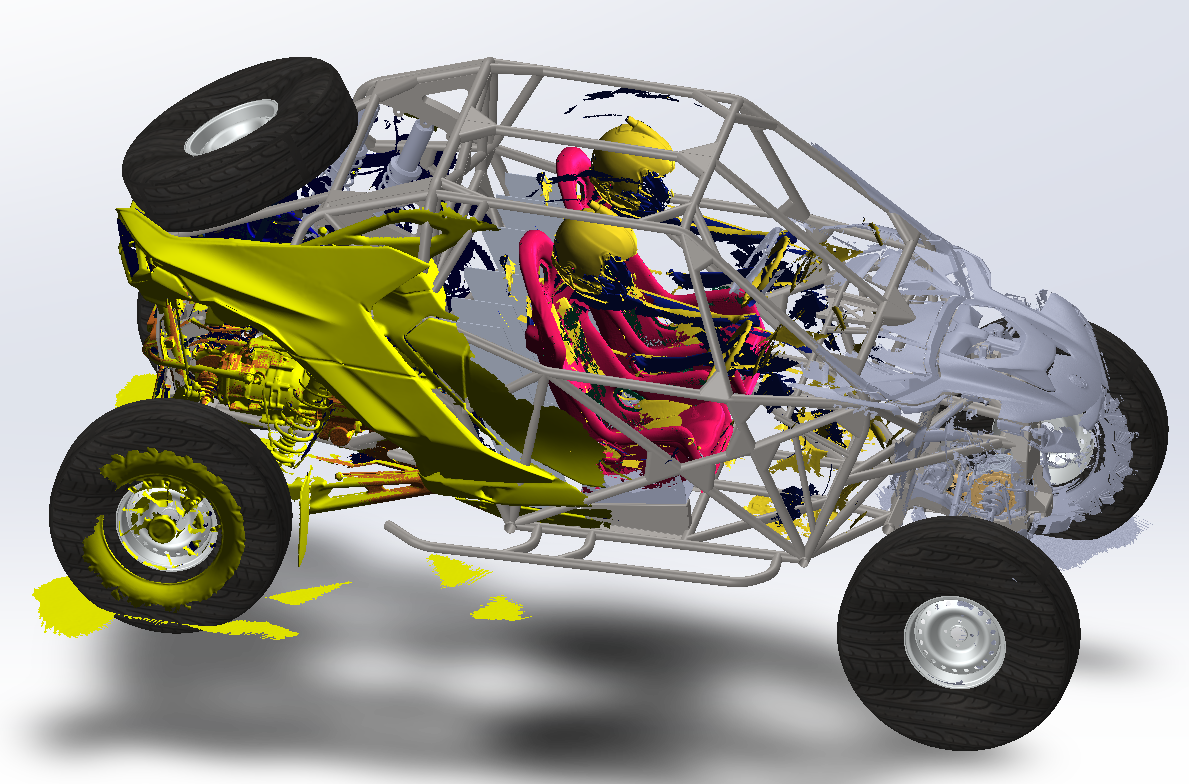
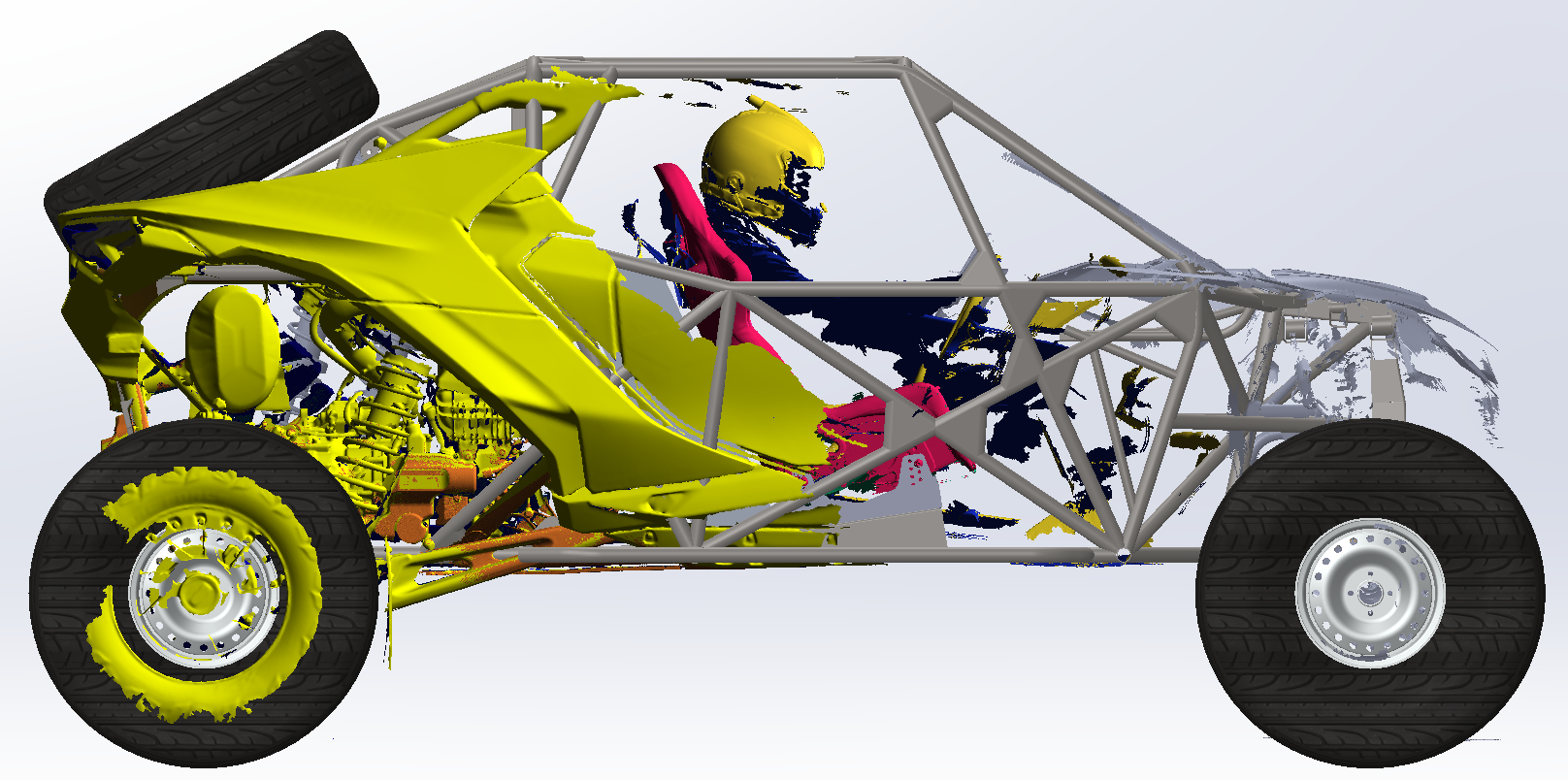
To help establish the driving position, the driver was 3D scanned both seated in a comparable buggy and positioned in the new race seat. The scans could then be placed directly into the vehicle CAD model to check seating position, controls, sight lines and head clearance.
This information was combined with the suspension and drivetrain geometry to establish the overall size and layout of the new chassis.
Component & Vehicle Design
The chassis represented only part of the project. Rescan 3D also designed many of the components required to turn the mechanical package into a complete race vehicle, including:
custom fuel tank
firewalling
dashboard and centre console
suspension mounts
platework and mounting tabs
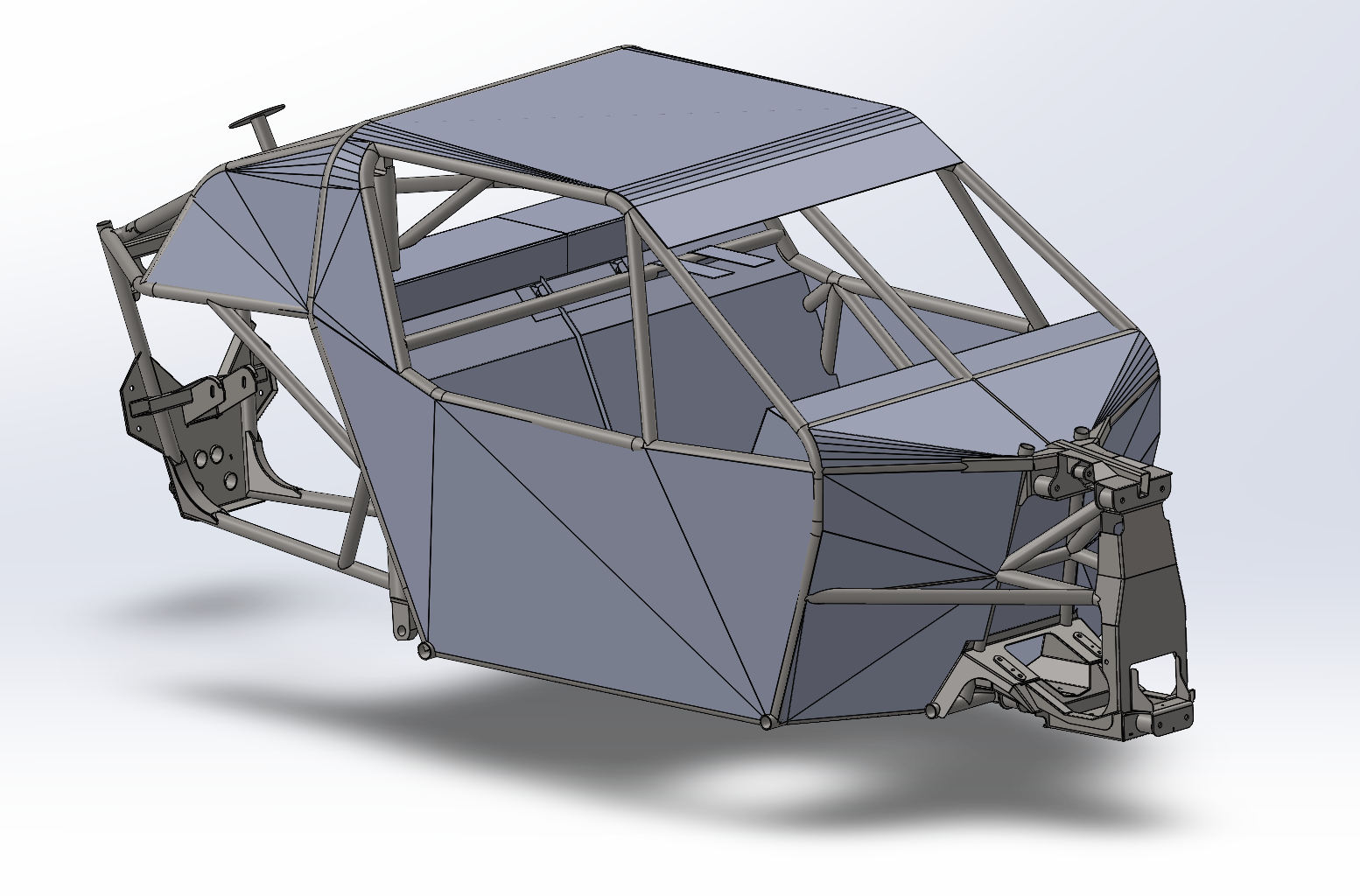
significant portions of the exterior bodywork.
The complete vehicle was developed as a single CAD assembly, allowing components to be designed around one another and checked for fit and clearance before manufacture.
Design for Manufacture
Manufacturing files and drawings were prepared specifically for the processes being used to build the vehicle.
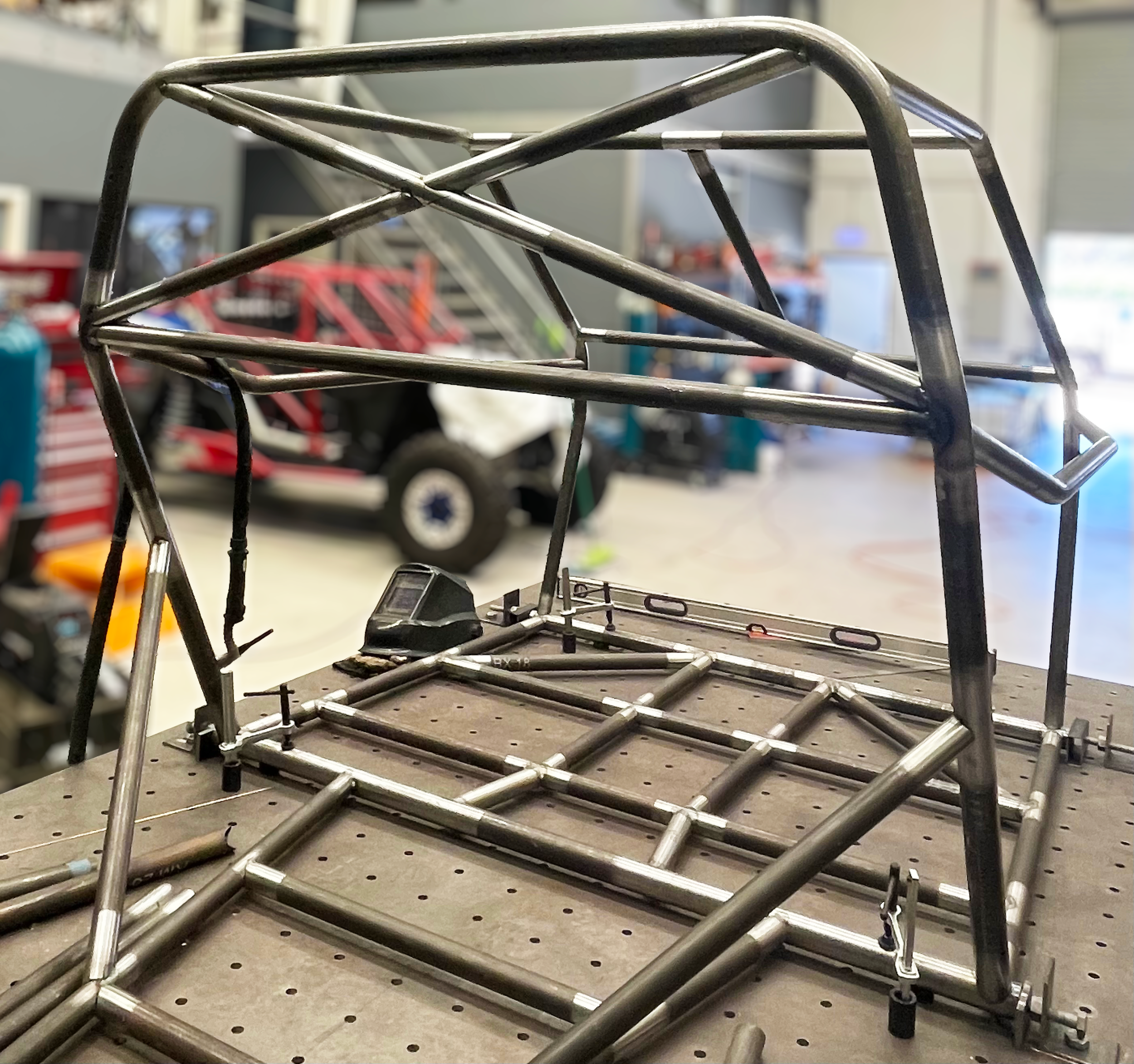
DXF files were supplied for laser-cut and CNC-bent plate components, while STEP files of the chassis tubes were supplied for programming a Bend-Tech Dragon A400 CNC tube cutter. Accurate CNC-cut tube profiles allowed much of the chassis to locate together during assembly, however PDF manufacturing drawings were also prepared where required to give the fabricator important dimensions and assembly information.
Scan-Assisted Fabrication & Design Changes
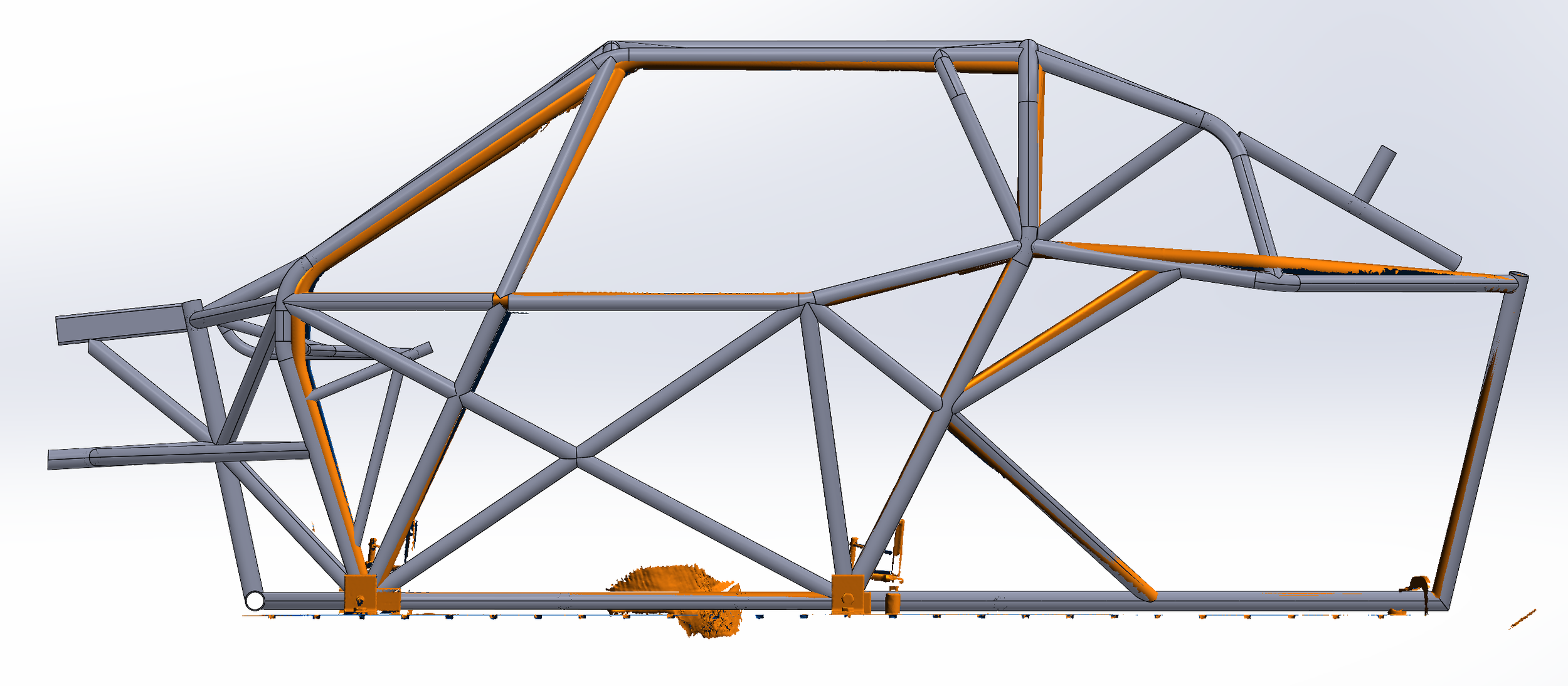
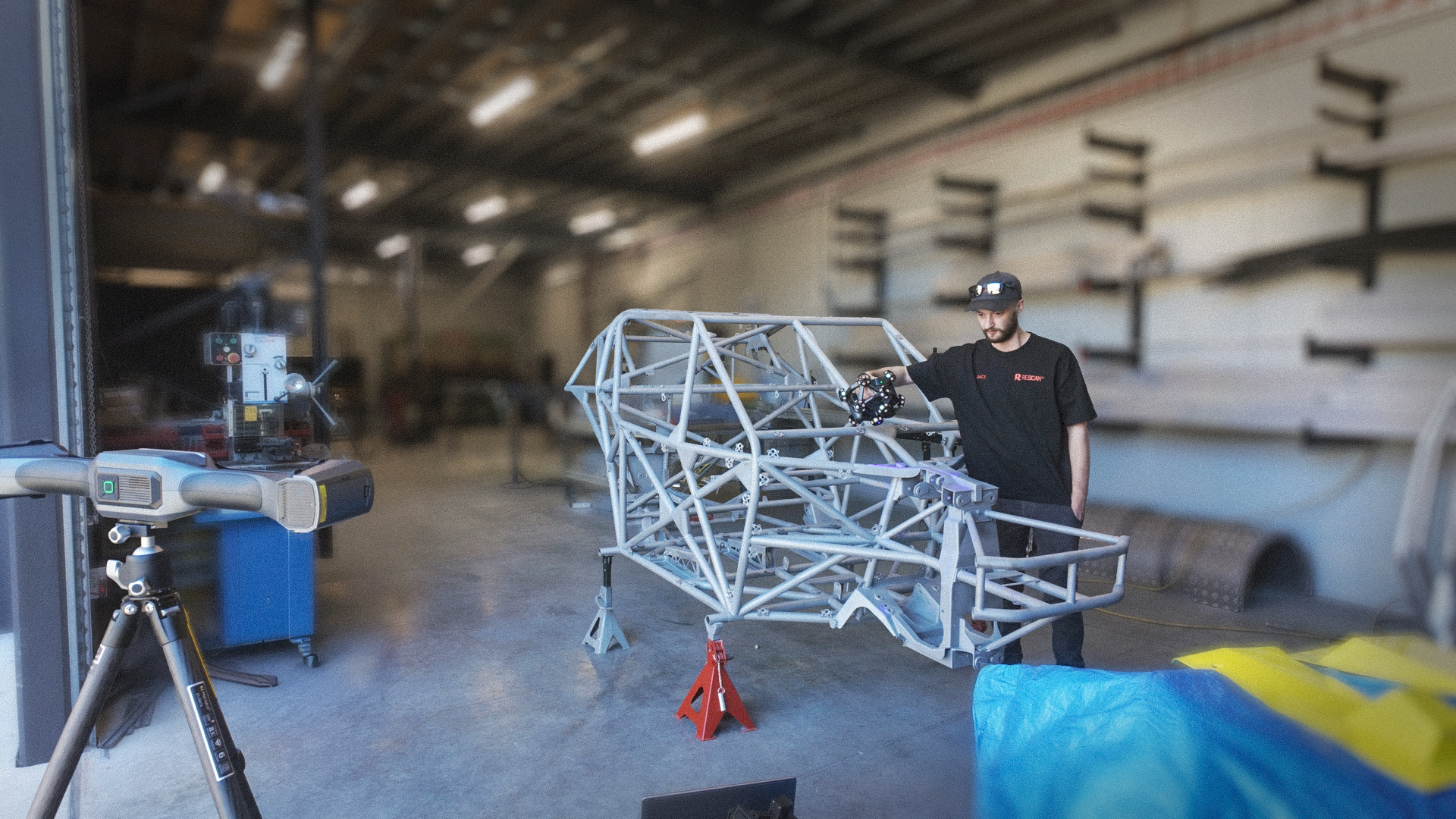
3D scanning was used throughout fabrication to continuously compare the developing chassis with the CAD design and check important features including tube positions, suspension mounting points and overall chassis alignment.
When small fabrication differences required changes to the main hoop and roofline, the CAD model was updated to match the physical chassis. Affected platework and bodywork could then be redesigned around the actual tube positions before manufacture.
A final scan after welding also captured components that had been positioned by the fabricator during the build, including bodywork mounting tabs. Their actual positions were brought back into CAD so the final body panels could be designed to fit the completed chassis.
This created a continuous design → manufacture → scan → update workflow, keeping the CAD model aligned with the physical vehicle as the build progressed.
The Outcome
The finished vehicle was completed in time to make its competition debut at the 2026 Finke Desert Race, finishing 55th overall and 5th in class on its maiden event.
The project brought together 3D scanning, mechanical and fabrication design, manufacturing documentation and ongoing support throughout the build. Rather than treating the original CAD design as fixed, the vehicle could be checked and updated as it was manufactured, allowing real-world changes to be incorporated before they caused problems elsewhere in the build.
The result was a complete purpose-built race vehicle developed from initial scan data through to a finished car that successfully completed one of Australia's most demanding off-road races.